
.png)
Start your Journey Today
Schedule a free consultant to discuss your career goals
Oops! Something went wrong while submitting the form.



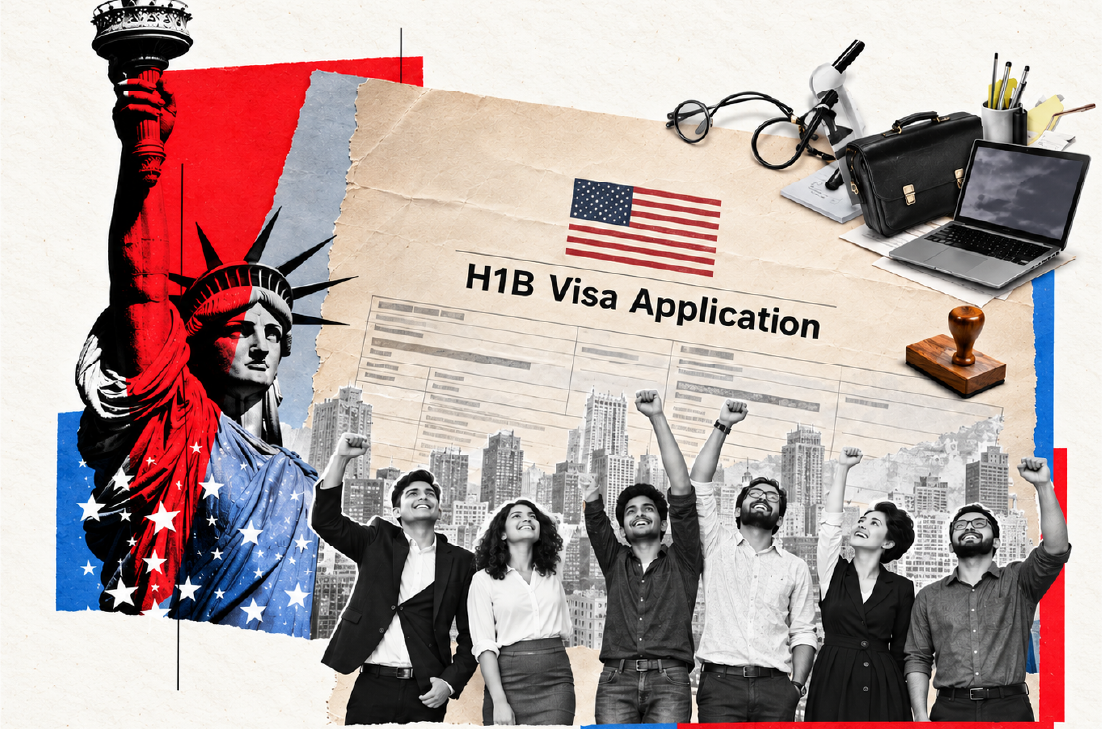
For months, the proposed $100,000 H-1B visa fee created uncertainty among international students, skilled professionals, and employers across the United States.
Many feared it would dramatically increase the cost of hiring foreign talent and make the H-1B pathway far more difficult, especially for Indian professionals, who make up a significant share of the H-1B workforce.
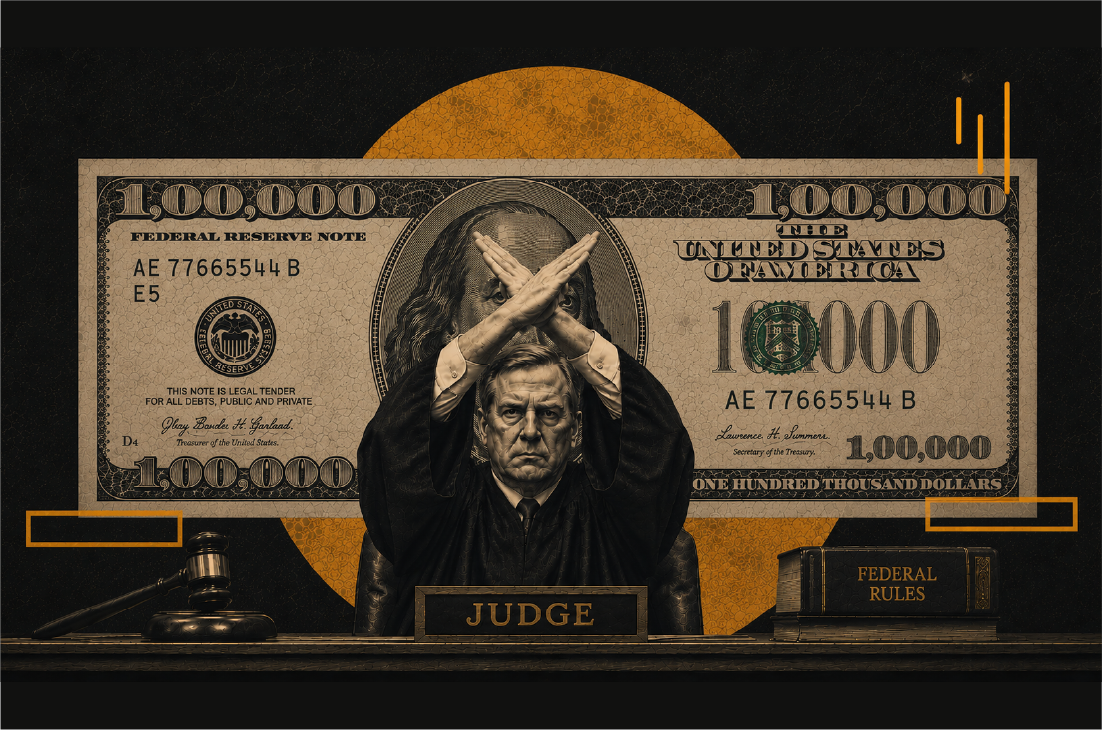
But in a major development, a U.S. federal judge has now ruled the fee unlawful, bringing relief to employers and thousands of foreign workers.
The H-1B visa is one of the most popular employment visas in the United States. It allows U.S. companies to hire skilled foreign professionals in specialized fields such as:
For many international students on OPT and STEM OPT, the H-1B visa is often the next step toward building a long-term career in the U.S.
In September 2025, then-President Donald Trump announced a policy that imposed a $100,000 fee on new H-1B petitions, a dramatic increase from the traditional filing costs that were generally only a few thousand dollars.
The stated objective was to discourage over reliance on foreign labour and encourage companies to prioritize American workers. Supporters argued it would reduce misuse of the H-1B system, while critics warned it would hurt innovation, universities, hospitals, startups, and technology companies that depend on global talent.
The proposal immediately became one of the most controversial immigration measures affecting skilled workers.
The concern wasn't just about money.
A $100,000 fee could have made many employers think twice before sponsoring international candidates. Smaller companies, startups, universities, and healthcare institutions would have found the cost particularly difficult to justify.
For international students and professionals, the fear was simple:
"If sponsorship becomes this expensive, will companies still be willing to hire us?"
Given the large number of Indian professionals working through the H-1B program, the policy was closely watched across India and among Indian students studying in the United States.
This week, U.S. District Judge Leo Sorokin ruled that the fee was unlawful and must be invalidated. The court concluded that the $100,000 charge functioned more like a tax than a standard filing fee. Under U.S. law, taxes can only be imposed by Congress, not unilaterally by the President.
The judge stated that the administration exceeded the authority delegated by Congress, making the policy legally invalid. As a result, federal agencies have been barred from enforcing the fee.
Immigration attorney Rahul Reddy also noted that, as things currently stand, H-1B petitions can continue to be filed without the $100,000 charge.
For now, it's a positive development.
The ruling removes a major financial barrier that could have discouraged employers from sponsoring skilled foreign professionals. It also restores a level of predictability to the H-1B process for companies planning future hiring.
However, the story may not be completely over. The administration has indicated that it may appeal the ruling, meaning the legal debate could continue in higher courts.
This case highlights something important about the future ofU.S. immigration policy:
The demand for skilled talent remains strong, but the rules around that talent will continue to evolve.
For international students, professionals, and employers, the lesson is simple stay informed, stay adaptable, and focus on building skills that remain valuable regardless of policy changes.
Because while immigration rules may shift, the demand for exceptional talent rarely does.